Currently Empty: $0.00

Translating TCM Through Modern Physiology
6-Hour Continuing Education Seminar with Dr. Darlene Easton
Event Details
Date: Sunday May 31st
Venue: Dragon Rises College, Bradenton Florida
Venue Address: 6815 14th St W, Bradenton, FL 34207
Distance Learning Option: Live Stream Available
Credits: Pending 6 NCCAOM PDAs
Course Description
Traditional Chinese Medicine (TCM) describes human physiology using a symbolic and functional language that developed thousands of years before modern biochemical science. Contemporary research in metabolic physiology, microbiome science, endocrinology, and immunology now provides deeper insight into the biological processes underlying many classical Chinese medicine concepts. This course explores how foundational TCM ideas including Qi, Blood, Body Fluids, Essence (Jing), and the transforming functions of the Middle Jiao can be interpreted through modern digestive physiology, microbiome ecology, metabolic signaling, and immune regulation.
A central component of the course demonstrates how biomedical disease mechanisms such as insulin resistance, inflammation, gut barrier dysfunction, and microbiome disruption can be translated into the functional language of traditional Chinese medicine diagnostic patterns.
Practitioners will better understand and be able to communicate to their patients the science of Traditional Chinese Medicine. This instills confidence in the practitioner and their treatment plan.
This class is offered in-person or live-streamed.
Course Learning Objectives
- Explain parallels between traditional Chinese medicine concepts and modern physiological processes.
- Describe the roles of Qi, Blood, Body Fluids, and Essence from both classical and biomedical perspectives.
- Explain the physiological function of the Middle Jiao in digestion, nutrient signaling, and metabolic regulation.
- Identify relationships between Spleen, Stomach, Liver, Small Intestine, and Large Intestine within digestive and metabolic physiology.
- Describe the roles of the small intestine, pancreas, microbiome, and liver in immune and metabolic regulation.
- Explain mechanisms involved in insulin resistance, inflammation, immune dysregulation, and mitochondrial dysfunction.
- Relate modern chronic diseases to TCM patterns such as Dampness, Phlegm, Qi Stagnation, Heat, and Blood Stasis.
- Discuss immune-related gastrointestinal disorders including celiac disease, non-celiac gluten sensitivity, and IBS-D.
- Evaluate limitations of conventional medical approaches to chronic disease management.
- Develop strategies for integrating metabolic and lifestyle education into acupuncture practice.
Course Itinerary
9:30am-9:45am – Introduction: Translating Transformation
- Instructor background and overview of course objectives
- Translation challenges between TCM terminology and biomedical language
9:45am-10:15am – Foundations of Chinese Medical Physiology
- Qi, Blood, Body Fluids, Essence
- Middle Jiao transformation and transportation
- Modern parallels: digestion, absorption, microbiome metabolism
10:15am-10:45am – Modern Chronic Disease: Metabolic and Immune Dysregulation
- Metabolic disorders: obesity, diabetes, metabolic syndrome
- Inflammatory disorders: cardiovascular disease, arthritis
- Immune disorders: Hashimoto’s thyroiditis, celiac disease, non-celiac gluten sensitivity, IBS-D
10:45am-11:00am – Break
11:00am-11:15am – Conventional Medical Approaches
- Pharmaceutical treatment models
- Symptom suppression vs disease reversal
- Limitations of conventional care
11:15am-12:45pm – Core Physiological Drivers of Chronic Disease (90 minutes)
- Insulin resistance and metabolic signaling dysfunction
- Chronic systemic inflammation
- Gut barrier dysfunction
- Microbiome imbalance
- Endocrine stress signaling
- Microvascular dysfunction
- Mitochondrial dysfunction
12:45pm-1:15pm – Lunch
1:15pm-2:45pm – Translating Disease Mechanisms into TCM Pattern Physiology
- Digestion and nutrient sensing
- Incretin hormones and pancreatic regulation
- Microbiome metabolism
- TCM pattern correlations: Dampness, Phlegm, Heat, Qi stagnation, Blood stasis
2:45pm-3:45pm – Diet and Lifestyle as Metabolic Regulators
- Whole food nutrition and glycemic control
- Fiber and microbiome health
- Stress, sleep, and exercise
3:45pm-4:00pm – Break
4:00pm-4:45pm – Clinical Integration
- Translating physiology into patient education
- Integrating diet and lifestyle with acupuncture practice
4:45pm-5:30pm – Q&A and Clinical Discussion
- Participant discussion and clarification of concepts
Instructor Bio
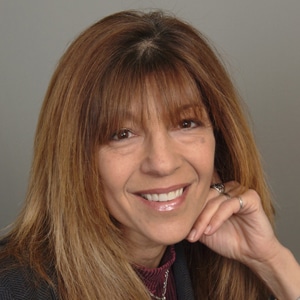
Dr. Darlene Easton is a Doctor of Acupuncture and Chinese Medicine, Certified Nutrition Specialist (CNS), and Licensed Acupuncturist with more than 30 years of experience in clinical practice, education, and practitioner training. Her work integrates Traditional Chinese Medicine, clinical nutrition, metabolic science, and lifestyle medicine. In addition to U.S.-based training, Dr. Easton has extensive clinical training including more than 1,200 hours of postgraduate clinical study in acupuncture and herbal medicine at the Zhejiang University Hospital of Traditional Chinese Medicine in Hangzhou, and at Guangzhou University of Chinese Medicine.
Dr. Easton served as an Associate Professor for 21 years, teaching acupuncture, Chinese herbal medicine, Chinese dietary therapy, and clinical medicine. In addition to classroom teaching, she supervised students in clinical settings and received multiple awards recognizing excellence in teaching and mentorship. From 1998 to 2018, Dr. Easton developed and led international student internships in Chinese hospitals, providing immersive clinical training experiences for acupuncture students.
Dr. Easton has a busy Acupuncture & Chinese Medicine practice in Central New York State. She is also the founder of Easton Health, an educational platform dedicated to helping practitioners and patients better understand the relationship between traditional Chinese medical theory and modern physiology. Through courses, lectures, and practitioner education programs, Easton Health provides training that integrates Chinese medicine with contemporary research in metabolic health, microbiome science, and lifestyle medicine. Dr. Easton’s work emphasizes translating complex medical science into practical knowledge that practitioners can apply to improve patient outcomes and long-term health.