
Currently Empty: $0.00

February 28th, 2026
1-Day Seminar at Dragon Rises College
Introduction to Anatomy, Palpation, & Trigger Point Needling
Build the palpation and needling skills that drive real results with musculoskeletal and pain patients.
Pre-Requisite Videos
Top 5 Skills for Orthopedic Needling – This video includes lifetime access and is added to your account when you register.
To access, go to My Account → Click Here to View Your On-Demand Courses.
Course Description
This class introduces a critically important topic that is often overlooked—yet is the top reason practitioners struggle to get results with musculoskeletal and pain patients:
palpation and needling skills.
Many assume they already know how to needle, but after a decade in continuing education, we consistently see that poor palpation and needling technique is the #1 barrier to results, in both new and highly experienced practitioners.
We built this class to change that.
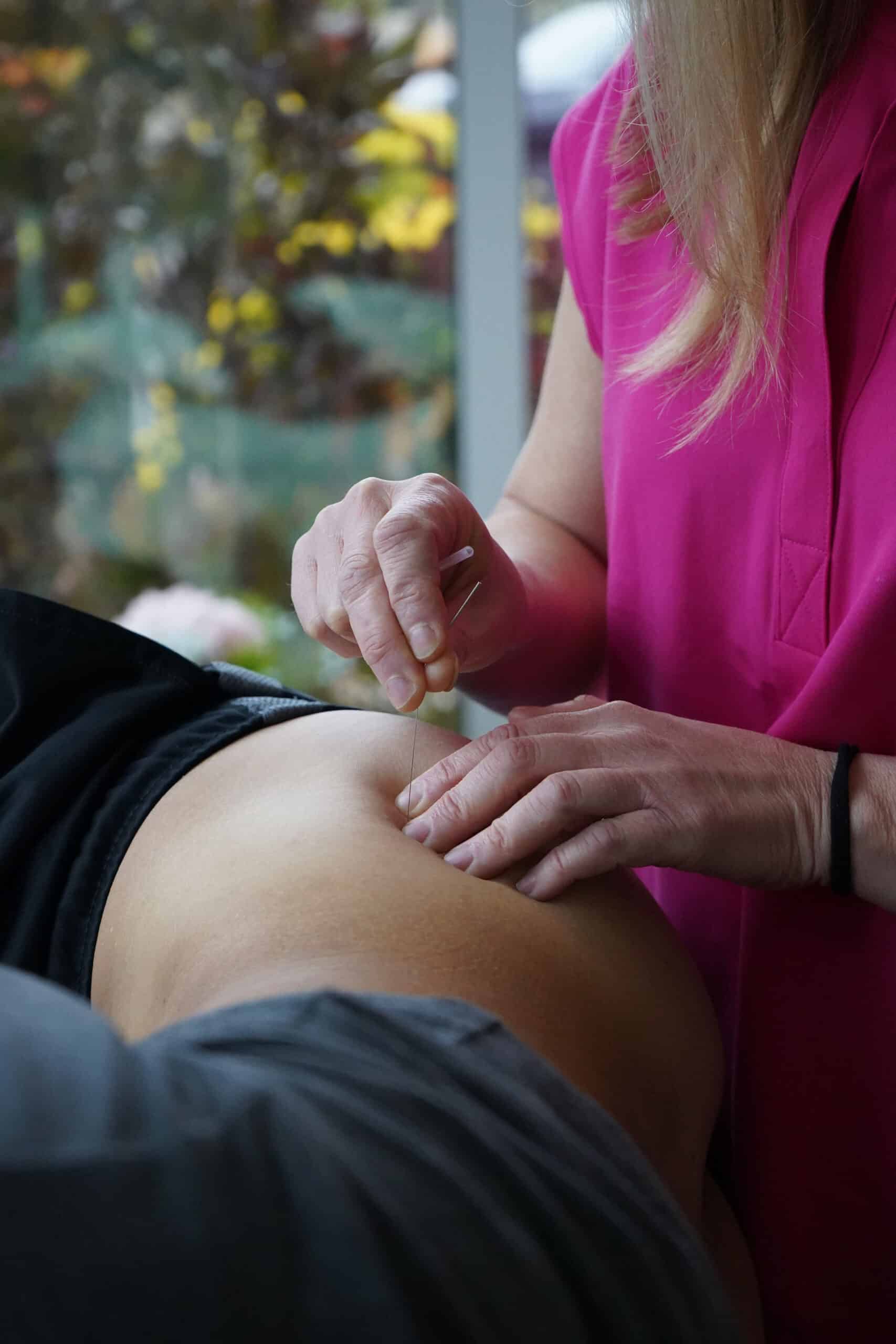
In this class, practitioners will learn how to palpate and needle fascia, muscle, trigger bands, and trigger points, with an emphasis on feeling the tissue, understanding the anatomy, and achieving the local twitch response (LTR).
Common trigger points will be introduced, and the class will be majority hands-on.
Included pre-requisite videos will prepare attendees so they can get the most out of the live training.
Seminar Schedule
9:00am–9:30am: Introduction to the Class
- Biggest issues seen across Acupuncture practitioners of all backgrounds
- Why and how palpation and needling skills determine clinical results
- Addressing the fascial part of myofascial pain
9:30am–12:00pm: Lab – Palpation Skills
Types of palpation
- Pincer grip
- Flat palpation
- Other variations
Palpating depths
- Fascia
- Muscle
- Tendon
- Ligament
- Palpating deep enough
Muscles to identify – Head
- Temporalis
Neck
- SCM
- Splenius capitis
- Splenius cervicis
Shoulder
- Deltoid
- Upper, Middle & Lower Traps
- Latissimus dorsi
Low Back
- Multifidi
- Longissimus
Hip
- Glutes
- Piriformis
- TFL
- Obturator rami
Upper Leg
- Rectus femoris
- Vastus lateralis
- VMO
- Hamstrings (with emphasis on realistic palpation at attachment sites)
Lower Leg
- Gastrocnemius
- Soleus
- Tibialis anterior
12:00pm–1:00pm: Lunch
1:00pm–1:30pm: Top 5 Needling Skills Review & Demos
- Review and demos of techniques from the pre-requisite video
- Needling into trigger bands and trigger points
- Getting the twitch response
1:30pm–2:45pm: Palpate & Needle – Head & Neck
- Temporalis
- SCM
- Splenius capitis
2:45pm–3:30pm: Palpate & Needle – Shoulder
- Deltoid
- Upper trapezius
- Latissimus dorsi
3:30pm–4:30pm: Palpate & Needle – Hip & Upper Leg
- TFL
- Vastus lateralis
- VMO
- Rectus femoris
- Hamstrings
4:30pm–5:00pm: Palpate & Needle – Lower Leg
- Gastrocnemius
- Soleus
- Peroneus
End of class.
Instructors
- Lolane Glundal, L.Ac.
- Moses Alvarez, L.Ac.
About Lolane Glundal, L.Ac.
Lora “Lolane” Glundal, L.Ac. is a licensed Acupuncturist & Chinese Herbalist with over 17 years of experience.
Lolane has training in a variety of areas including Orthopedics and Dry Needling and Pelvic Floor Acupuncture.
In addition to this, Lolane is also certified as both a Hatha/Vinyasa and Kundalini Yoga teacher.
Lolane currently has a private practice in Central New York, assists in the Dry Needling and Pelvic Floor seminars with ASE Seminars LLC,
and will teach Pelvic Floor Yoga starting in 2025.
About Moses Alvarez, L.Ac.
Moses Alvarez, RN, L.Ac. is a licensed acupuncturist and registered professional nurse specializing in orthopedics and electroacupuncture.
Moses has over 20 years of total experience in the fields of rehabilitation therapy, pain management and exercise science, with acupuncture specialty training in EXSTORE, pelvic floor, and trigger point dry needling. In addition to practicing, Moses is an assistant instructor for all of Dr. Anthony Lombardi’s and Dr. Jamie Hampton’s seminars. He has private practices in Central Pennsylvania serving athletes and the general population, treating musculoskeletal conditions, pelvic floor disorders, and post-surgery patients.